#I Know that I Know Nothing
The phrase "I know that I know nothing" by Socrates and Plato is one of the most famous statement in Western philosophy, often referred as Socratic pradox. The statement is not belongs to the negative side like self-depreciation, absolute stupidity or despair, but rather a profound declaration of intellectual humility.
#Three Important Idea
1. Intellectual Humility
The starting point of wisdom is acknowledging your ignorance, but it does not means that when you don't know something then you just say "I don't know, don't ask me", it is a shirking. Socrates believed that true wisdom does not lie in how many facts you know, but in your ability to clearly recognize the limitations of your own knowledge and reasoning. If you believe you already know everything about a subject, you close your mind to learning anything new. By embracing his ignorance, Socrates remained entirely open to seeking the truth.
2. Double Ignorance
The most dangerous state in the world is not "not knowing," but "not knowing what you don't know" When you doesn't know about something but you still saying that I an expert for that, like the person who interviewing for the high salary job that is beyong of his/her domain knowledge. This famous quote reminds us not to be blinded by baseless confidence and preconceived biases.
3. Maintain Curiosity
Only when you empty your cup and admit that you know nothing about a particular subject, you can maintain an open mind to ask questions, challenge assumptions, and continue learning.
#The supporting idea.
The main point that I want to bring from the previous phrase is that you will never know what future will be. In which, what I want to say is that even though it is 1 hours later, or shorter like 10 minutes later, you will never know about that. If you could know about that, "you exactly can reduce the car accident rate by 0%". It is the limitations of your own knowledge and reasoning at your current stage.
There is one of the book that is relevant to this case, which is "The Less You Mind, The Freer You Are" (不在意,更能随心所欲) by Quanfeng (何权峰). It is not a book about running away from the problem which is shrinking or a poisonous chicken soup (毒鸡汤), but rather, it is a book that incredibly empowering and really helps build mental resilience.
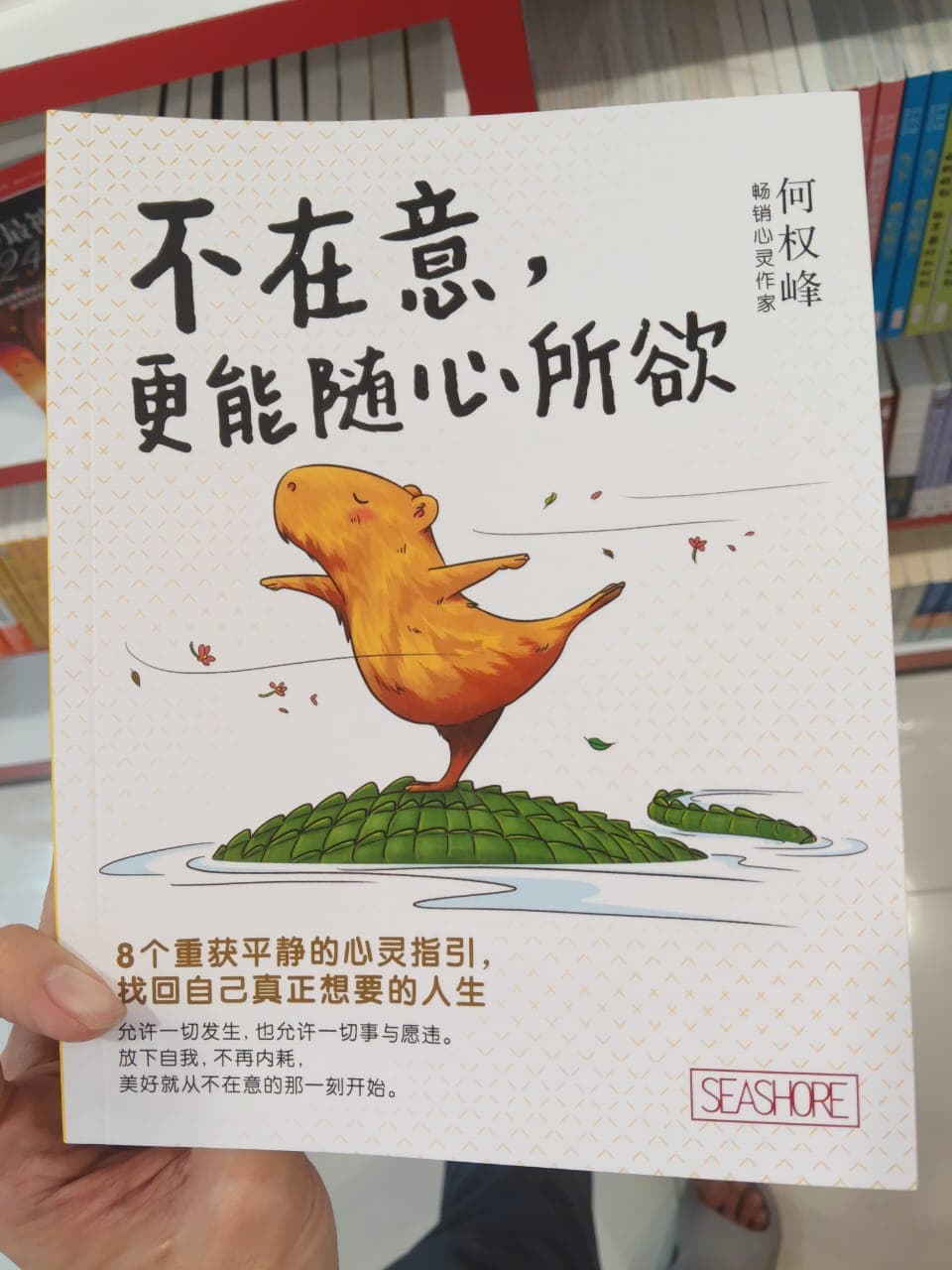
I can still remember one point in the book is about never say regret about something. becuase it is "unfair to previous you with future you". It is unfair to the 'previous you' (The person you were before) because they don't know anything, but you still blame him because previous you make the wrong decision. Some of the things that you can try to think of:
If I knew starting a business was difficult, I wouldn't have started one.
如果我知道创业难,我就不会创业
If I knew I would die at the age of three, would I still happily celebrate my birthday?
如果我知道我三岁就会死亡,我还会开心的庆生吗
If I knew my partner and I would break up in a year, would you still date them?
如果我知道我和我的对象一年后会分手,你还会跟他处对象吗?
Therefore, the book suggested that the answer is not the final, the more important one is the process.
#Conclusion
So, in conclusion, I think you yourself can make the conclusion nicely, because everyone has the difference ways of thinking. But one thing I want to give an advice is that you do not use artifical intellegent (AI) for your mind thinking. "You is you, other is other". Do not make yourself framed or limited by AI. AI is just for guidance and idea generations, not to make the final decision or conclusion. If you do it for final decision, it is a violation for me, it is quite dangerous. That is the only one advice from me. Thanks a lot in reading my article.